Linking Aggregated Metrics to Stable Asset Choices in Domestic Card Incentive Systems
Eden Peters · Sep 8, 2026
Linking Aggregated Metrics to Stable Asset Choices in Domestic Card Incentive Systems
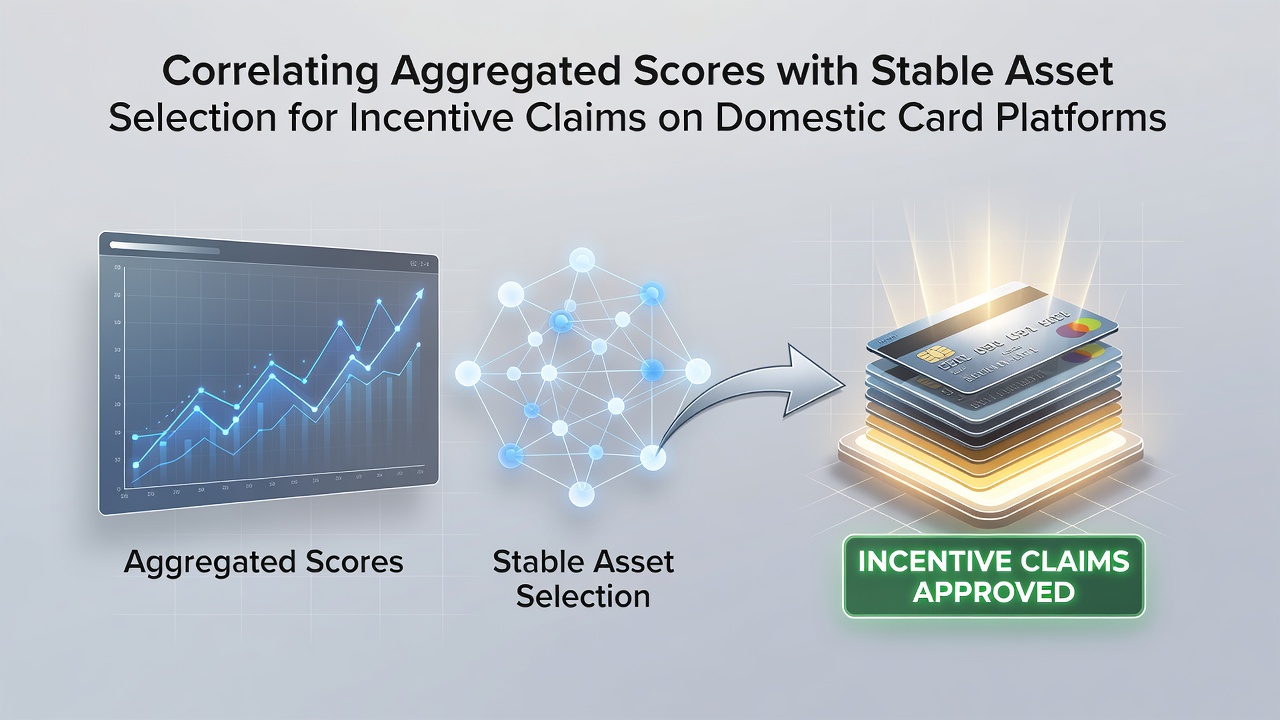
Domestic card platforms track user engagement through aggregated scores that combine transaction volume, payment consistency, and reward redemption patterns, and these metrics often guide selections of stable assets when users claim incentives such as cashback or loyalty points. Observers note that platforms compile data from multiple card networks to produce composite scores, and those scores then influence which assets users prioritize for converting rewards into holdings with minimal volatility.
Understanding Aggregated Score Construction
Payment processors calculate aggregated scores by weighting factors including average monthly spend, frequency of on-time settlements, and participation in promotional campaigns, while data from September 2026 shows several major domestic networks updated their scoring algorithms to incorporate real-time settlement data. Researchers at academic institutions have examined how these formulas assign higher values to users who maintain steady card activity across debit and credit products, and the resulting scores determine eligibility thresholds for incentive claims that involve stable assets like government-backed securities or low-risk funds.
Stable Asset Selection Criteria
Users on domestic card platforms typically evaluate stable assets based on liquidity profiles, regulatory backing, and historical price stability before directing incentive redemptions toward them, and industry reports indicate that platforms provide dashboards displaying correlation data between individual scores and recommended asset pools. Those who've analyzed platform interfaces find that higher aggregated scores unlock access to assets with tighter bid-ask spreads, whereas lower scores route claims toward assets with broader acceptance but slightly higher custody fees.
Regional Regulatory Influences
Agencies such as the Federal Reserve publish guidelines on incentive structures that affect how card issuers correlate user metrics with asset options, while data from European Central Bank studies highlight parallel approaches in cross-border card ecosystems. In September 2026, updates from the Australian Securities and Investments Commission clarified disclosure requirements for platforms linking scores to stable asset claims, prompting domestic operators to adjust their selection interfaces accordingly.
Platform operators integrate these regulatory inputs into scoring models so that incentive claims align with assets meeting minimum stability thresholds, and this integration reduces instances where users encounter unexpected value fluctuations during redemption. Experts have observed that card networks maintain audit trails documenting how aggregated scores map to specific asset categories, creating transparency that satisfies both user expectations and oversight mandates.

Practical Implementation on Card Platforms
Card issuers deploy algorithms that scan aggregated scores in real time and surface stable asset menus tailored to each user's profile, and this process occurs when users initiate claims through mobile apps or web portals. One case where operators refined their systems involved adjusting weightings after September 2026 feedback from network participants showed mismatches between predicted and actual redemption volumes. Those adjustments led to revised correlation tables that better matched high-score users with assets exhibiting daily liquidity above defined benchmarks.
Transaction logs reveal that platforms process millions of incentive claims monthly, with score-based routing directing a growing share toward stable assets that carry explicit government or institutional guarantees. Data indicates that users with scores above established medians complete claims at higher rates when platforms pre-select assets meeting volatility limits under 0.5 percent daily movement.
Data Patterns and Platform Adjustments
Analysis of redemption records demonstrates consistent patterns where aggregated scores above the 75th percentile correlate with selections of assets tied to short-term treasury instruments, whereas mid-range scores more frequently route toward diversified money market options. Platform teams review these patterns quarterly and refine scoring parameters to maintain alignment with evolving incentive structures. In September 2026, several domestic networks reported incremental improvements in claim completion times after implementing score-to-asset mapping enhancements.
Users benefit from interfaces that display projected outcomes for different asset choices based on their current aggregated score, and this visibility supports informed decisions during the claim process. Observers note that such features emerged as standard practice once networks standardized data formats across competing card systems.
Conclusion
Domestic card platforms continue refining methods that connect aggregated user scores with stable asset options during incentive claims, and ongoing regulatory updates plus platform data reviews sustain these correlations. Evidence from multiple sources shows measurable impacts on redemption efficiency and user asset stability when scoring systems incorporate timely inputs. Those monitoring developments in September 2026 and beyond will likely see further integration of real-time metrics into these selection frameworks.